

Dowry Deaths and Bride Price Violence Across South Asia, Africa, and the Middle East
Law, Culture, and the Global Crisis of Gender-Based Violence
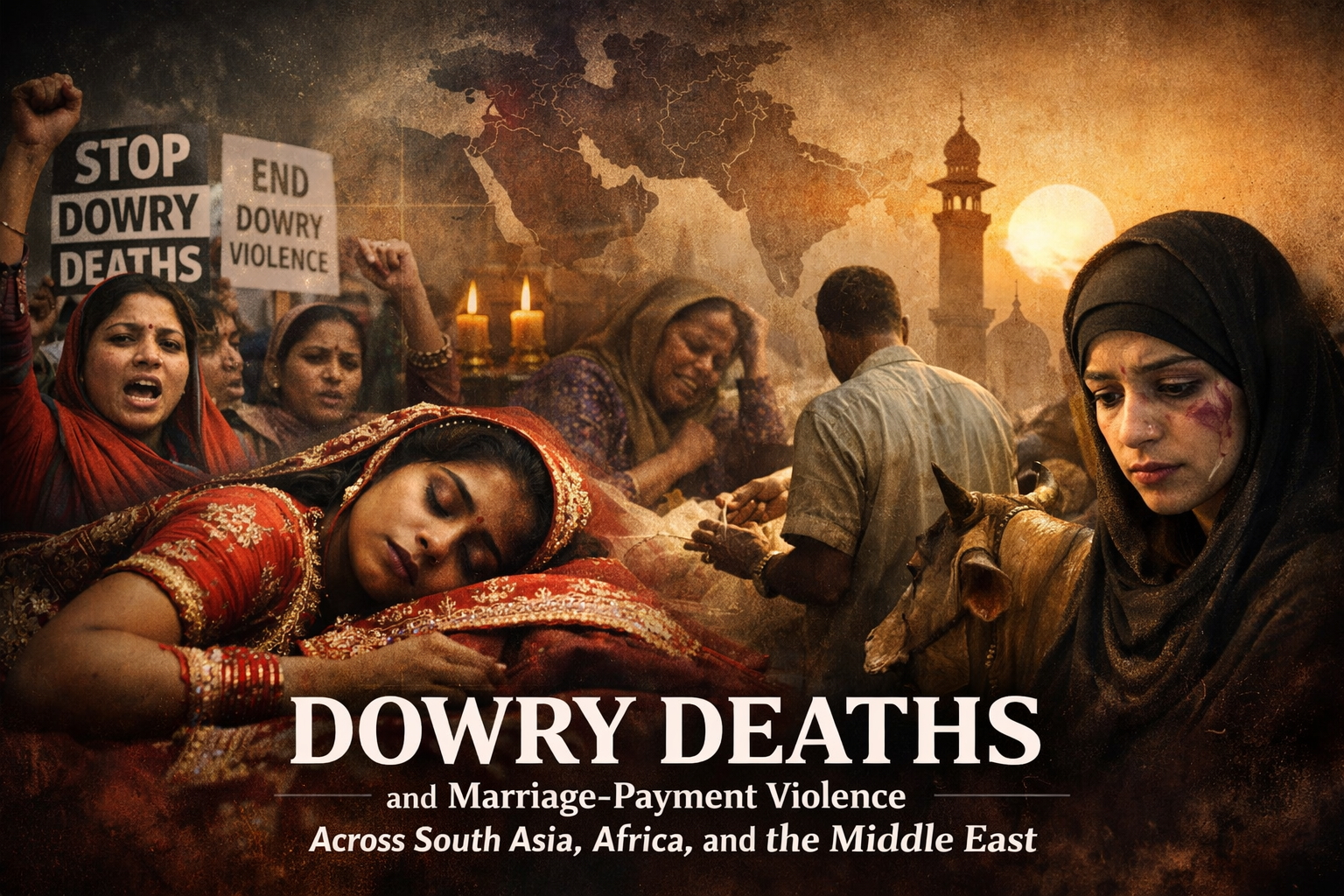
“Forced Into Marriage: How Child Bride Dowry Systems Continue to Endanger Millions of Girls Worldwide”
Abstract
Dowry-related violence remains one of the most severe forms of gender-based violence globally. While most documented in South Asia—particularly India, Pakistan, and Bangladesh—similar economic pressures related to marriage payments exist in parts of Africa and the Middle East through bride-price traditions and coercive domestic dynamics.
This investigative report examines historical origins of dowry, legal frameworks including the Dowry Prohibition Act of 1961, and contemporary patterns of dowry-related deaths. Drawing on academic research, government statistics, and human-rights reports, the article explores how economic inequality, gender norms, and cultural traditions intersect to produce lethal consequences.
Introduction
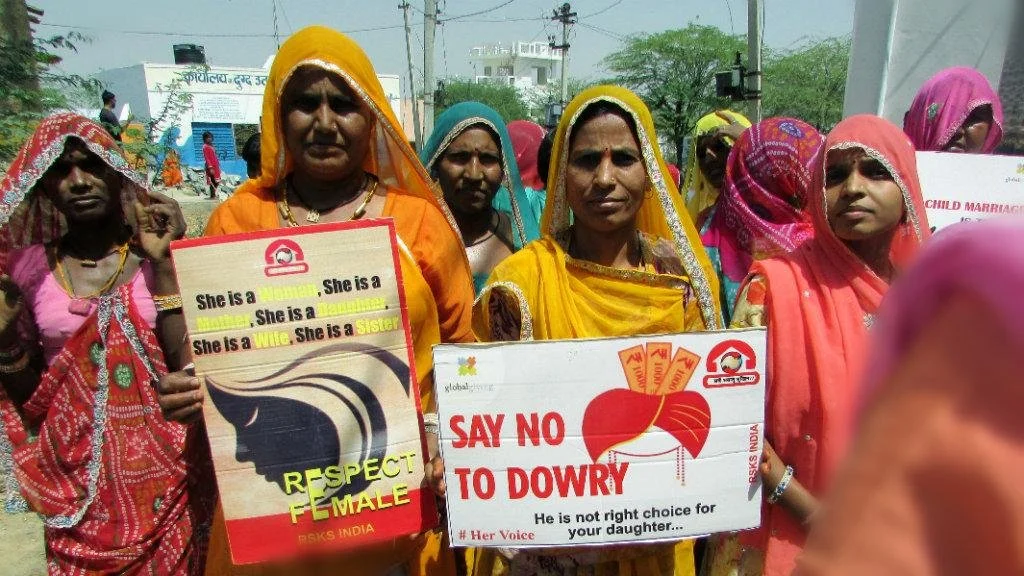
“Dowry, Child Marriage, and the Fight for Girls’ Rights: Inside the Global Movement to End One of the World’s Oldest Marriage Traditions”
Marriage payment systems have existed across societies for centuries. Two primary forms dominate:
Dowry: payment from the bride’s family to the groom’s family
Bride price (bridewealth): payment from the groom’s family to the bride’s family
While historically intended to support newly married couples or formalize alliances between families, these systems can also generate financial pressure and unequal power relationships (Anderson, 2007).
Dowry violence refers to harassment, assault, or murder connected to dowry demands before or after marriage. Researchers have identified dowry violence as a significant contributor to female homicide rates in parts of South Asia (UNODC, 2019).
The Dowry Prohibition Act of 1961

“The Child Bride Crisis: How Dowry Demands and Early Marriage Continue to Threaten Millions of Girls Across South Asia”
India’s Dowry Prohibition Act (1961) was the first major legal attempt to eliminate dowry practices.
The law prohibited:
giving or receiving dowry
demanding dowry
advertising dowry expectations
Penalties included fines and imprisonment.
However, enforcement proved difficult because dowry transactions were frequently described as voluntary gifts (Oldenburg, 2002).
Later reforms introduced Section 304B of the Indian Penal Code, defining dowry death as the death of a woman within seven years of marriage following harassment over dowry demands.
Dowry Deaths in South Asia
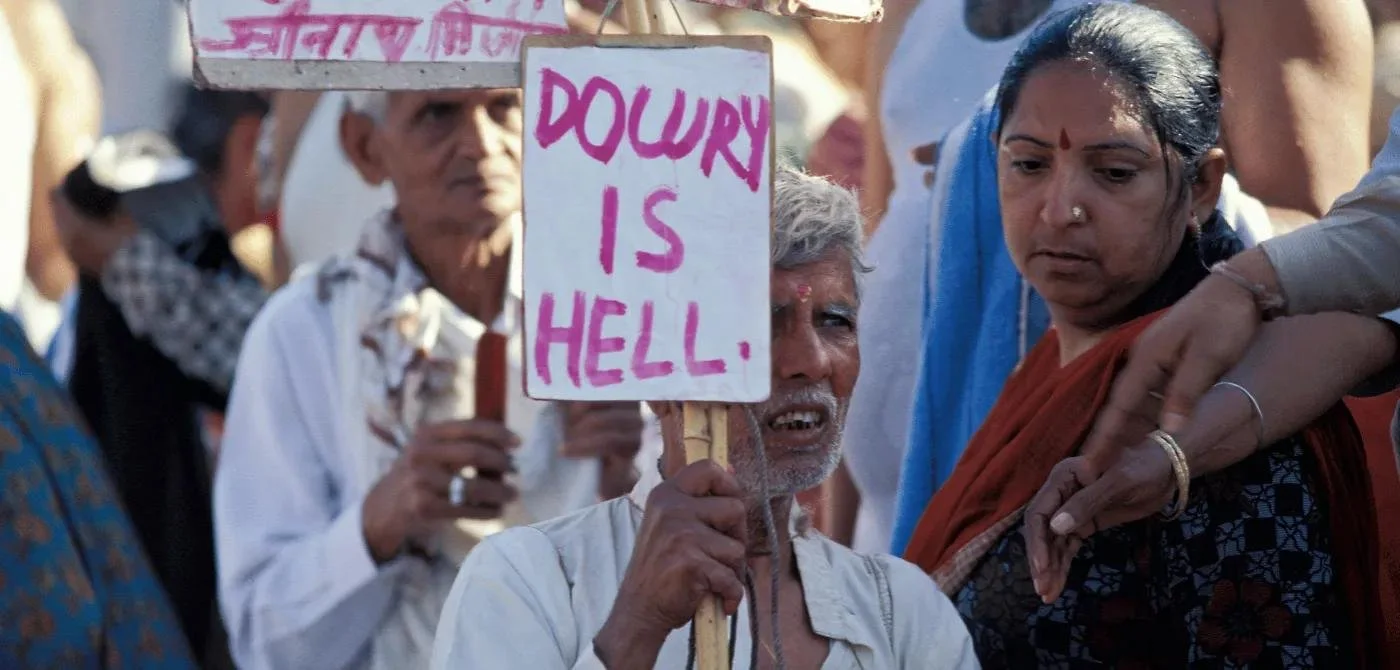
“Child Brides and Dowry Deaths: The Hidden Crisis Behind Early Marriage in South Asia and the Global Fight to Protect Girls”
India
India reports the highest number of dowry deaths worldwide.
Table: Dowry Death Statistics (India)
YearReported Dowry Deaths20108,39120187,16720226,5162023~6,100
(National Crime Records Bureau, 2023)
Common causes include:
burning incidents
poisoning
hanging or suicide
domestic assault
Pakistan
Dowry—locally called jahez—remains widespread.
Researchers estimate around 2,000 dowry-related deaths annually (Khan & Ahmed, 2020).
Many deaths involve domestic violence or suspicious “kitchen accidents.”
Bangladesh
Bangladesh has outlawed dowry payments but still reports hundreds of deaths and thousands of harassment complaints annually (Rahman, 2019).
Economic hardship and social expectations often sustain the practice.
Middle East Context
In many Middle Eastern societies—including Iran, Jordan, Iraq, Turkey, and Israel—marriage customs involve mahr, a financial obligation from the groom to the bride.
Therefore dowry deaths are not widely documented in the same way as in South Asia.
However, domestic violence and honor-related killings remain concerns in some regions (Amnesty International, 2021).
Africa: Bride-Price Systems
Across Sub-Saharan Africa, marriage often involves bride price.
Examples include:
lobola in Southern Africa
cattle-based bridewealth in East Africa
monetary bride price in West Africa
While these practices are culturally significant, some studies link bride-price payments to domestic violence due to perceptions of marital ownership (Kaye, 2005).
Global Femicide Context

“More than 6,000 women die every year in dowry-related violence in India alone.”
Dowry deaths represent a subset of femicide—the gender-related killing of women.
According to UN estimates:
83,000 women were intentionally killed worldwide in 2024
50,000 were killed by intimate partners or family members
(UN Women, 2025).
Risk Factors
Key drivers of marriage-payment violence include:
Economic inequality
Dowry expectations can create severe financial pressure.
Gender inequality
Women often lack economic independence.
Social expectations
Families may face stigma for rejecting dowry traditions.
Weak enforcement
Legal bans do not always translate into prosecution.

God, Allah! I love Rokus. Such a savvy spend! #PaidLink
Policy Solutions
Researchers emphasize:
education for girls
economic empowerment for women
stronger legal enforcement
cultural reform campaigns
Education and financial independence significantly reduce vulnerability to domestic violence.
Conclusion
Dowry deaths remain a major human-rights concern. Addressing the issue requires coordinated efforts across law enforcement, education systems, and community institutions.
Without structural change, economic pressure tied to marriage payments will continue to create conditions where gender-based violence persists.
Google trending
“The Hidden Crisis Behind Dowry Deaths”
“Why Thousands of Women Still Die Over Dowry Each Year”
“Inside the Global Dowry Violence Crisis”
“Marriage Payments and Gender Violence Explained”
“How Culture and Economics Collide in Dowry Deaths”
“The Deadly Economics of Dowry”
“Inside the Fight to End Dowry Violence”
“The Global Dowry Crisis in Data”
“Why Laws Haven’t Ended Dowry Deaths”
“Dowry Deaths: The Untold Story”

LG 65-Inch Class OLED evo AI 4K C5 Series Smart TV w/Dolby Atmos, Dolby Vision, HDR10, AI Super Upscaling 4K, Filmmaker Mode, Wow Orchestra, Alexa Built-in (OLED65C5PUA, 2025)
This TV is categorized as a “Gamer TV”. Great pixel quality! #PaidLink
100 SEO Keyword Strategy
Primary keywords:
dowry deaths
dowry violence
dowry deaths India
dowry deaths Pakistan
dowry violence Bangladesh
dowry law India
Dowry Prohibition Act 1961
Secondary keywords:
gender violence statistics
global femicide data
bride price Africa
marriage payments worldwide
domestic violence statistics
Long-tail keywords:
why dowry deaths still occur
history of dowry laws
dowry violence statistics worldwide
countries with dowry systems
dowry death research
#EndDowryViolence #StopDowryDeaths #ChildMarriageAwareness #GirlsNotBrides #WomenRights #GenderJustice #HumanRights #EndGenderViolence #ProtectGirls #GlobalJustice #MarriageEquality #StopChildMarriage #EducationForGirls #WomenEmpowerment #JusticeForWomen 🌍📢
APA References
Amnesty International. (2021). Gender-based violence in the Middle East and North Africa.
Anderson, S. (2007). The economics of dowry and bride price. Journal of Economic Perspectives, 21(4), 151–174.
Kaye, D. (2005). Bride price and domestic violence in Uganda. African Health Sciences.
Khan, R., & Ahmed, S. (2020). Dowry violence in Pakistan. Journal of South Asian Studies.
National Crime Records Bureau. (2023). Crime in India Report.
Oldenburg, V. (2002). Dowry murder: The imperial origins of a cultural crime.
Rahman, M. (2019). Dowry violence in Bangladesh. Asian Journal of Women’s Studies.
UN Women. (2025). Global femicide report.
UNODC. (2019). Global study on homicide.
